Travel Insurance
Travel Insurance Basics 2026: Cover That Matters
Travel insurance basics: medical, cancellation, baggage and the exclusions you must check before buying.

Travel insurance is one of the few purchases where the cheapest option is often the most expensive mistake. The policy that looks adequate on a comparison site can exclude the exact situation you are likely to face: a pre-existing condition, a canceled flight, a scooter accident or a bag left in a taxi. The fix is not to buy the most expensive cover. It is to match the policy to the trip and read the exclusions before you pay.
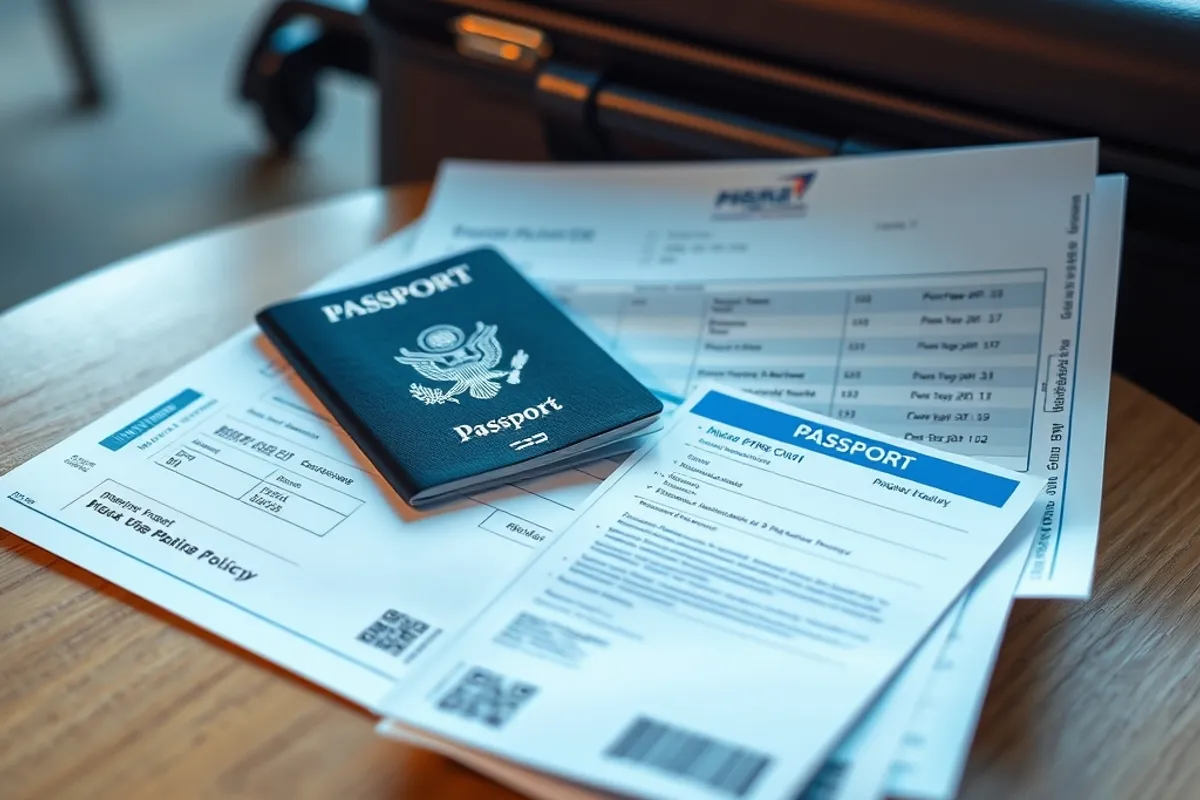
Start with medical cover
Medical costs abroad are the main reason to buy travel insurance. Check the emergency medical limit, whether hospital admission is paid directly or reimbursed later, and how evacuation works. A policy with a high limit but no direct payment can still leave you fronting a large deposit. If you are traveling to a remote area, confirm that evacuation from that region is covered.
In many destinations, local health insurance or a reciprocal agreement covers only part of the bill. Do not assume your home health plan follows you abroad. If you have a chronic condition, call the insurer and ask specifically how it is treated. Get the answer in writing, because a call-center reassurance is not a policy term.
Cancellation and interruption
Cancellation cover protects non-refundable costs if you cannot travel for a covered reason. Read the list of covered reasons: illness, injury, bereavement, jury duty and sometimes redundancy. "Change of mind" is almost never covered, and "any reason" cancellation is a separate, more expensive product.
Check the cancellation limit against the real cost of your trip, including flights, hotels and prepaid tours. Buy the policy soon after your first non-refundable payment if the policy requires it; some benefits only apply if you insure within a short window. Also check whether interruption cover pays for the unused portion if you must return early.

Baggage, delays and activities
Baggage cover is often capped per item, so a laptop or camera may need separate cover. Check the delay threshold and what the policy pays for: meals, a hotel, essentials or only a flat amount. For flights, remember that compensation for delays may come from the airline under local rules, not from your insurer.
Adventure activities are the most common gap. Standard policies exclude anything the insurer considers risky: diving, skiing, motorbikes, hiking above a certain altitude, camel trekking or dune driving. If your trip includes an activity, check the activity list and buy the add-on if needed. Do not rely on a verbal "should be fine".

Exclusions that catch travelers
Common exclusions include pre-existing medical conditions, alcohol or drug-related incidents, unattended baggage, valuables left in a vehicle, and injuries during illegal activity. Some policies also exclude claims if you did not follow local safety rules, such as not wearing a helmet on a scooter. Read the definitions; "unattended" can include a bag left with a tour operator.
Check the excess: the amount deducted from each claim. A low premium with a high excess can be poor value for small claims. Also check the claims deadline and the documents required. A policy that requires a police report for theft is normal; one that requires original receipts for everything is harder to satisfy.
A practical buying routine
List your non-refundable costs, your destination, your activities and any medical conditions. Compare three policies on those points rather than on the headline price. Call the insurer with the two questions that matter most to you and note the date, the agent and the answer. Buy before the first non-refundable payment if cancellation cover matters.
Keep a digital and printed copy of the policy, the emergency number and your proof of purchase. If something goes wrong, contact the insurer before you spend if possible, and keep every receipt. For the claims process, read our <a href="claim-travel-insurance-2026.html">travel insurance claims guide</a>.