Boutique Resorts
Small Boutique Resort vs Big Hotel: Which Fits?
Compare privacy, food, service and cost between small boutique resorts and larger hotels for different trips.
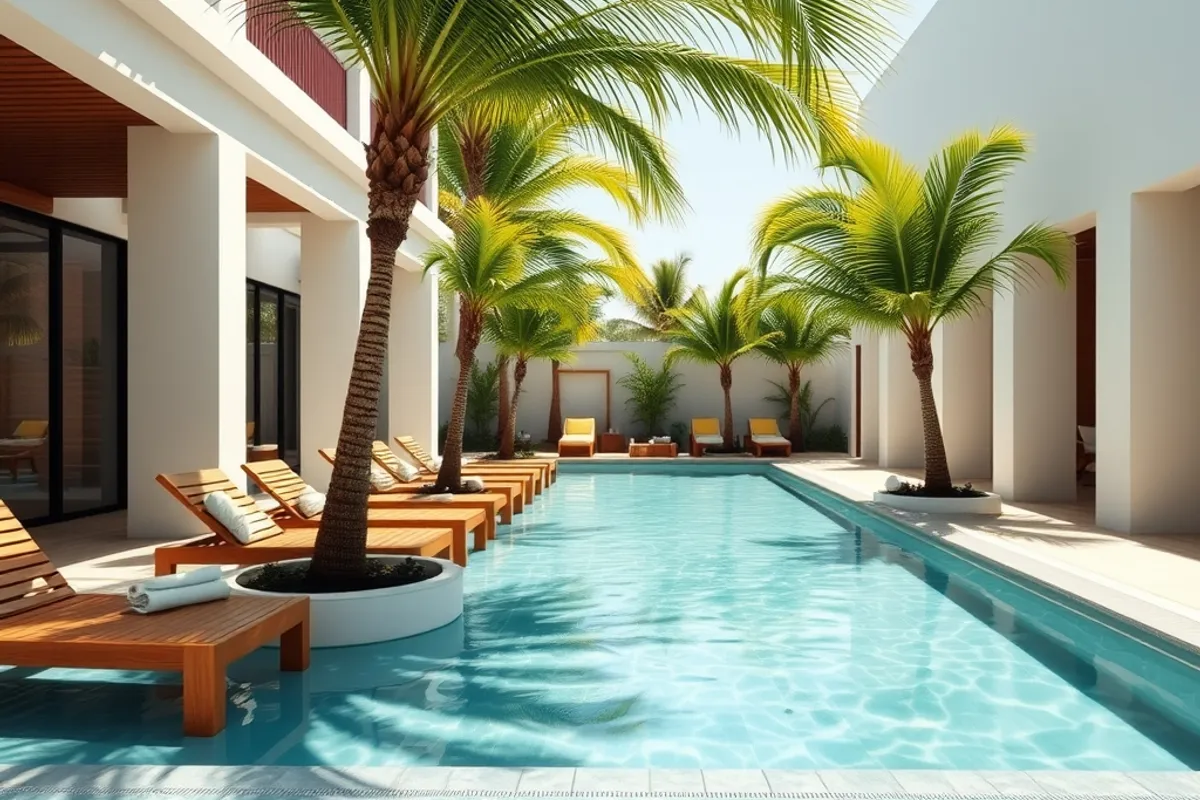
Small boutique resort or large chain hotel? The honest answer depends on what you want to do between check-in and checkout. A small property sells attention and quiet. A large hotel sells choice and convenience. Both can be good value, and both can disappoint if you book one while expecting the other.

Privacy and space
Small resorts usually win on privacy. Fewer guests mean a quieter pool, more space on the terrace and a better chance of a lounger without reserving it at dawn. The trade-off is less room to wander: one pool, one restaurant and a compact garden.
Large hotels have more facilities but also more people in every frame. If you want to disappear, choose small. If you want a choice of pools, a gym, a spa and three restaurants without leaving the property, choose large. Neither is more authentic; they are different products.
Food and service
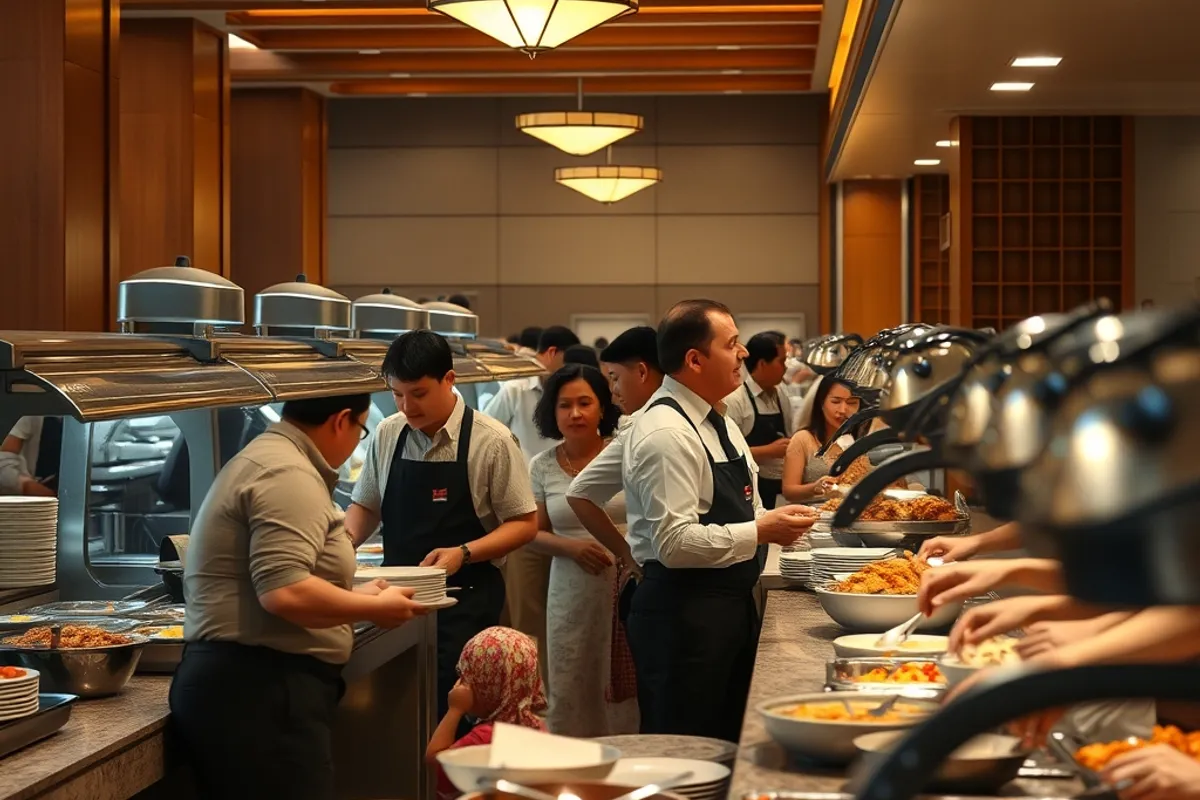
Large hotels win on variety, especially for families with different appetites. The quality can be good, but the kitchen is often cooking for volume. Small resorts usually have one menu, which can be excellent because the chef cooks to order and knows the guests. The risk is repetition on a long stay.
Service is the bigger difference. A small team remembers your name and your coffee order. A large hotel can be efficient but impersonal, especially at peak check-in. If you value recognition, small wins. If you value a 24-hour front desk and a doctor on call, large may be safer.
Cost, fees and what is included
Small is not automatically cheaper. A well-run boutique can charge as much as a large hotel because the staff-to-guest ratio is higher. Large hotels often offer better all-inclusive value because they buy at scale. Compare the total for your group, including breakfast, taxes, transfers and parking.
A large all-inclusive can be excellent value for a family that eats on site and uses the facilities. A small half-board can be better for a couple who wants one good dinner and a quiet drink. Do the math for your habits, not the brochure's.
Families, couples and solo travelers
Families with young children often do better at a large hotel: kids clubs, shallow pools, multiple restaurants and staff who notice children. A small resort can be lovely for a baby but may lack a kids pool or a babysitter. Check the age policy before booking; some small properties do not accept children.
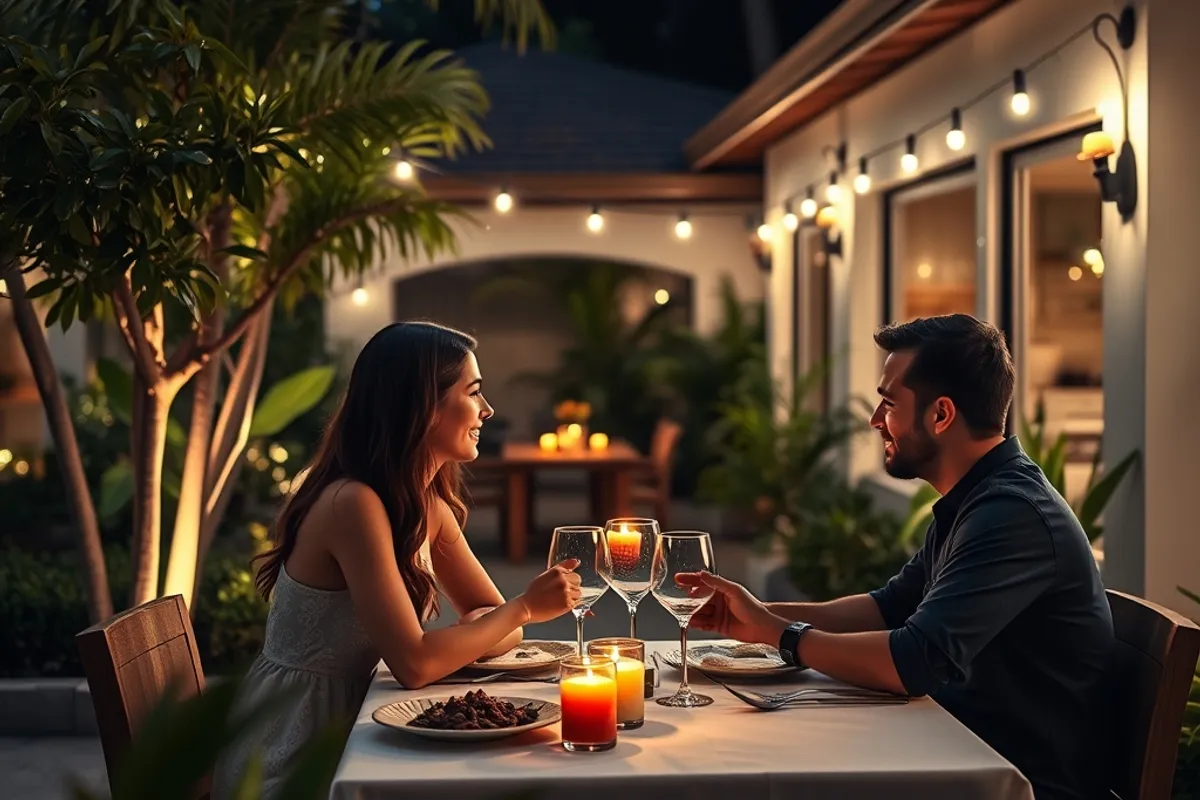
Couples usually prefer small for privacy and a quieter bar. Solo travelers often prefer a small property for conversation, but a large hotel can feel less exposed. Think about how much social contact you want, not just how the place looks.

How to vet either one
Check the number of rooms against the number of pools and restaurants. A ratio of one pool to eighty rooms feels different from one to twenty. Read recent reviews for the words crowded, quiet, tired and remote. Look at guest photos, not just the professional shots; wide-angle lenses make small spaces look generous.
Ask about construction nearby and about the transfer time from the airport. A remote small resort can be peaceful and isolating; a city large hotel can be convenient and noisy. If you are still choosing a property, our <a href="boutique-resort-booking-guide-2026.html">boutique resort booking guide</a> covers room details and fees. For a trip for two, read our <a href="slow-romantic-getaway-2026.html">slow romantic getaway guide</a>.