Desert Adventures
Dune Driving Basics 2026: Tires, Pressure and Safety
Dune driving basics: tire deflation, recovery, sand flags and a simple safety checklist for first-timers.

Dune driving looks simple in videos: a truck, a slope, a rooster tail of sand. In reality it is a low-speed skill sport where the expensive mistakes happen quietly, when a tire digs in or a crest hides a drop. The drivers who have the least trouble are not the ones with the biggest engine. They are the ones who lower tire pressure properly, carry recovery gear and know when to stop.
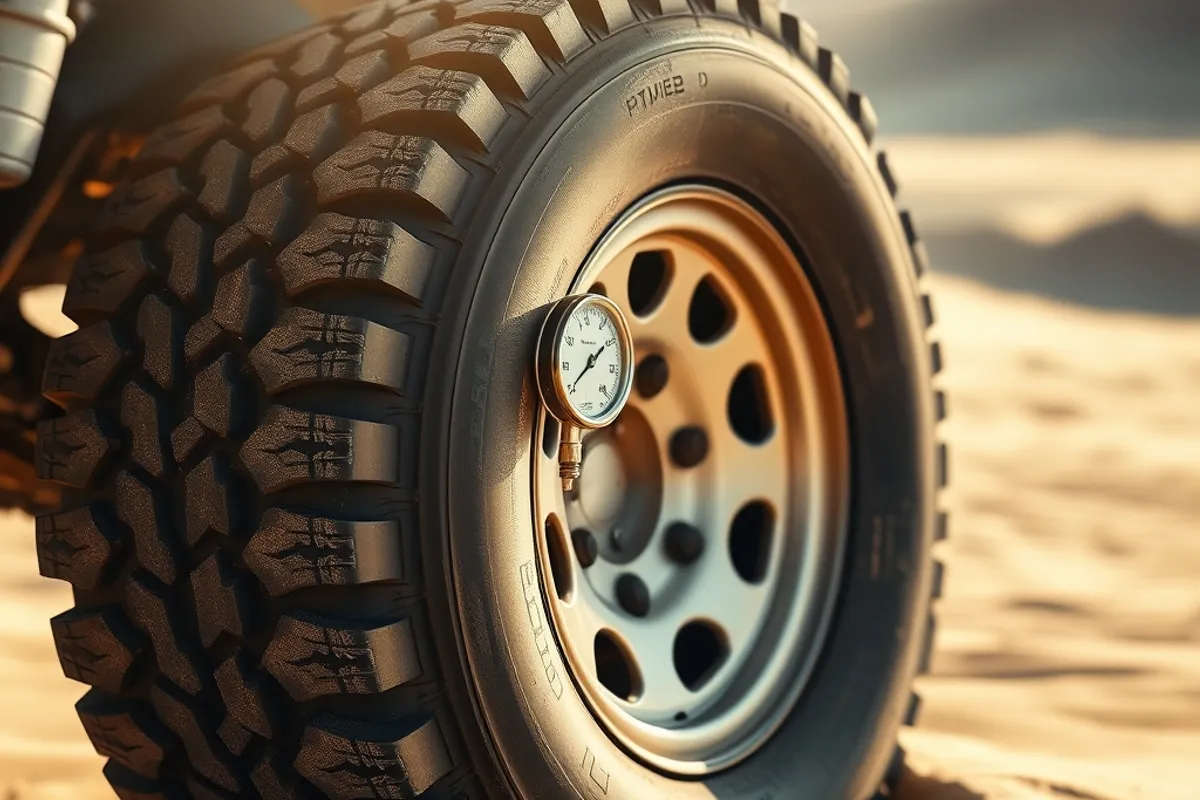
Start with tire pressure, not horsepower
Sand rewards a larger contact patch. Dropping pressure lets the tire float instead of digging. The right number depends on the vehicle, load and sand softness, so treat any figure as a starting point and adjust. A common range for a loaded 4x4 is around 15 to 20 psi, but a heavy truck on soft dunes may need lower, and a light vehicle on firm sand may need more. Never go below the bead-seating limit for your wheel without bead locks.
Air down before the first soft section, not after you are stuck. Carry a reliable compressor and a gauge, and reinflate before long highway stretches. Driving fast on low pressure overheats and damages the sidewall. If you are unsure, ask a local guide or a club for the range they use on that route in that season.
The basics that keep a vehicle moving
Momentum is useful, speed is not. Approach a climb in the right gear with steady throttle, keep the steering smooth and avoid abrupt lifts that transfer weight to the front tires. If the vehicle starts to bog, ease off and reverse along your own tracks rather than spinning. A shovel and a set of traction boards will get you out of most beginner mistakes faster than a winch.
Turn off traction control and stability control only if the vehicle manual says it helps in sand. Some systems cut power at exactly the wrong moment; others are smart enough to assist. Know your vehicle before you disable anything. If you are driving a rental, ask what the owner expects and what recovery gear is included.
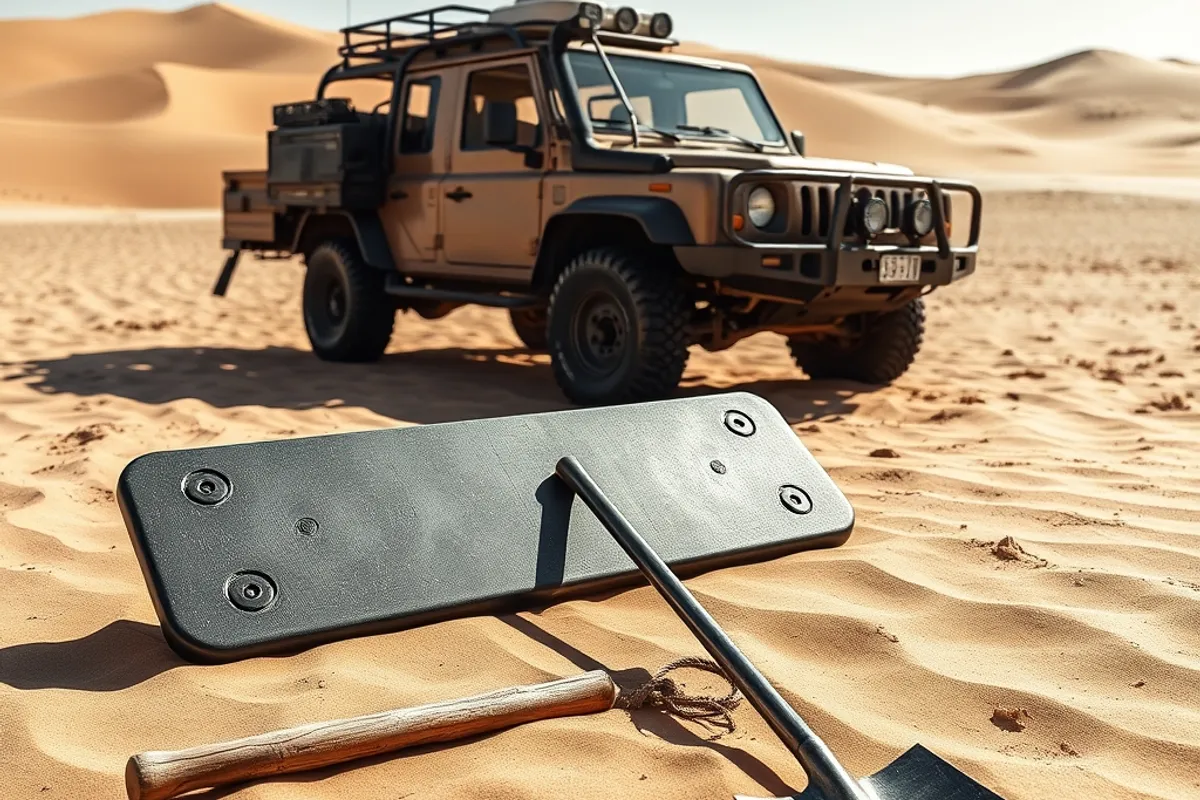
Recovery without drama
A basic kit covers most situations: shovel, traction boards, tire gauge, compressor, gloves, a tow strap rated for your vehicle and two rated shackles. A winch is useful but adds weight and complexity, and using one safely requires practice. Never use a tow ball as a recovery point, and never stand in line with a strap under load.
If another vehicle recovers you, agree on the plan before anyone moves. Use a damper on the strap, keep bystanders clear and keep the pull slow. If the stuck vehicle is buried to the chassis, dig first. Pulling a buried truck only makes the hole deeper.
Navigation and the bailout route
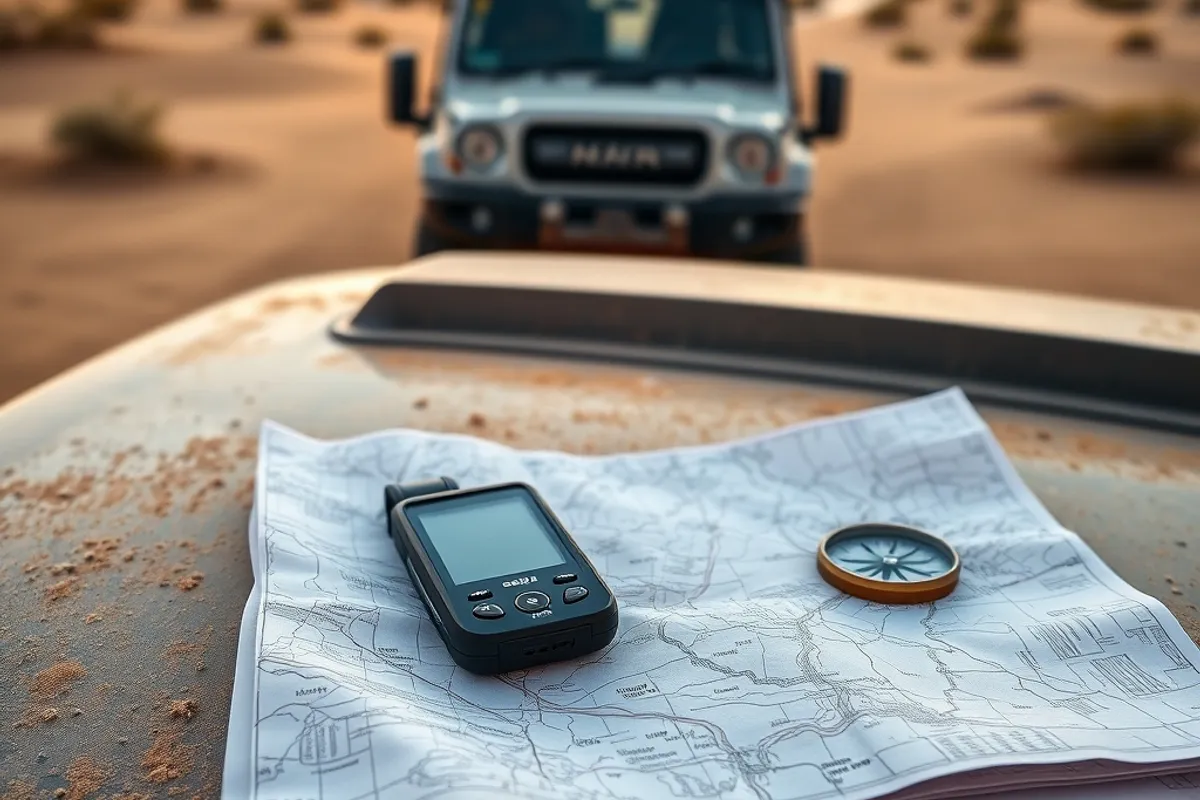
Tracks disappear in wind and light changes flatten the dunes. Carry offline maps on two devices, a compass and water. Mark your entry point, your planned exit and any fuel or water stops. Before you leave, agree on a turnaround time with your group. If you have not reached the target by then, turn around. That rule prevents most of the incidents that make the news.
Drive with a partner vehicle when you can, especially on remote routes. If you must go alone, share a live location if coverage allows and tell someone your exact plan. A satellite messenger is worth the cost in areas with no signal. For overnight desert trips, read our <a href="desert-camping-prep-2026.html">desert camping preparation guide</a>.
Heat, people and fatigue
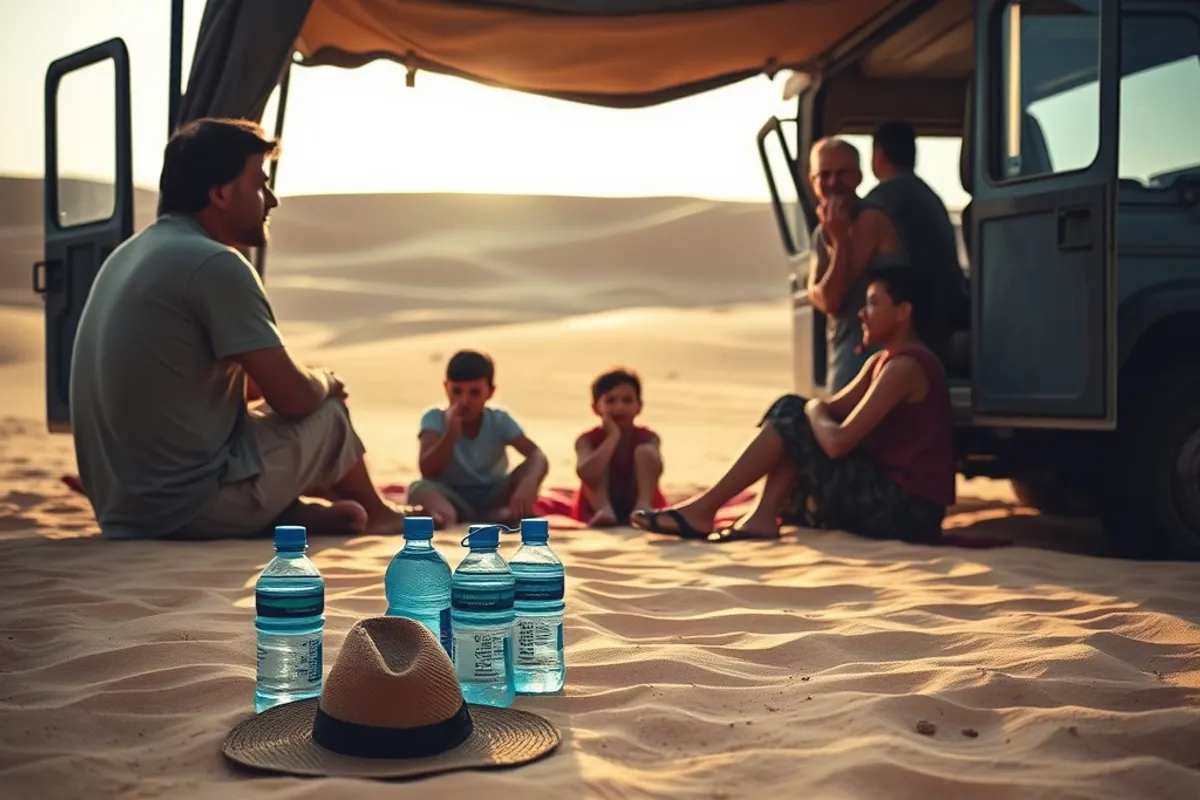
Sand driving is tiring because it demands constant small corrections. Rotate drivers before anyone is exhausted, and stop in shade when the heat peaks. Carry at least four litres of water per person for a half-day trip, more in summer, plus a reserve you do not touch. Heat illness starts with headache and confusion; treat it early and get out of the sun.
Children and pets need more shade and smaller exposure windows. Plan the drive for early morning, keep the afternoon for camp or rest and avoid alcohol until the vehicle is parked for the night. A first aid kit, a charged phone and a written emergency contact list belong in every vehicle.
A simple first-trip plan
Pick a route with a guide or a club, not a self-invented crossing. Arrive with a full tank, aired-down tires and a recovery kit. Drive the first hour conservatively and learn how the vehicle behaves. Stop before the heat, check the tires and decide whether the afternoon plan is still sensible.
The best dune drivers are boring to watch: smooth lines, early decisions and no drama. If you want the scenic version without the driving, a guided desert camp is the better first step. Our guide to <a href="desert-camping-prep-2026.html">desert camping</a> covers water, shade and overnight gear.