Desert Adventures
Desert Camping Prep 2026: Water, Shade and Heat
Desert camping prep: water math, shade, fire rules, navigation and sleeping smart in hot/cold swings.
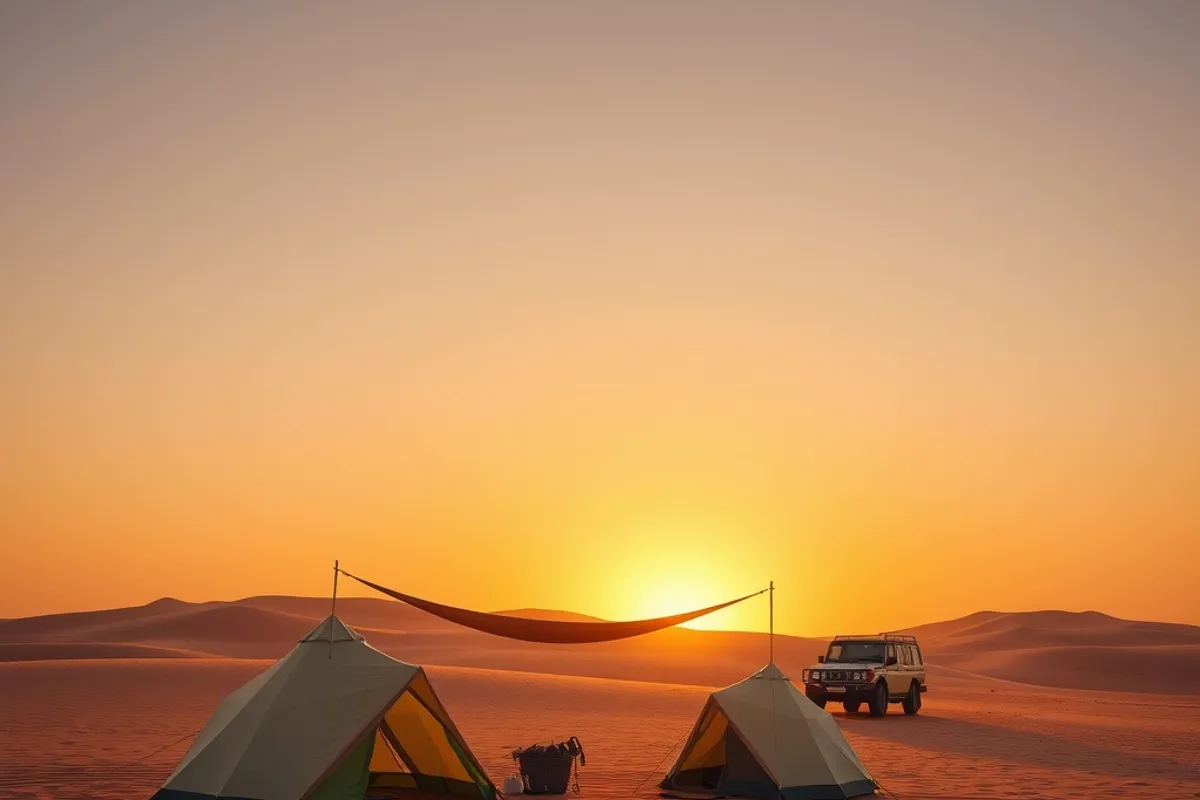
Desert camping is simple until the temperature drops or the wind picks up. The difference between a memorable night and a miserable one is usually preparation: enough water, real shade, a decent sleep system and a plan for the cold. You do not need expedition gear for a first trip, but you do need to respect the swing between a 38°C afternoon and a 6°C night.
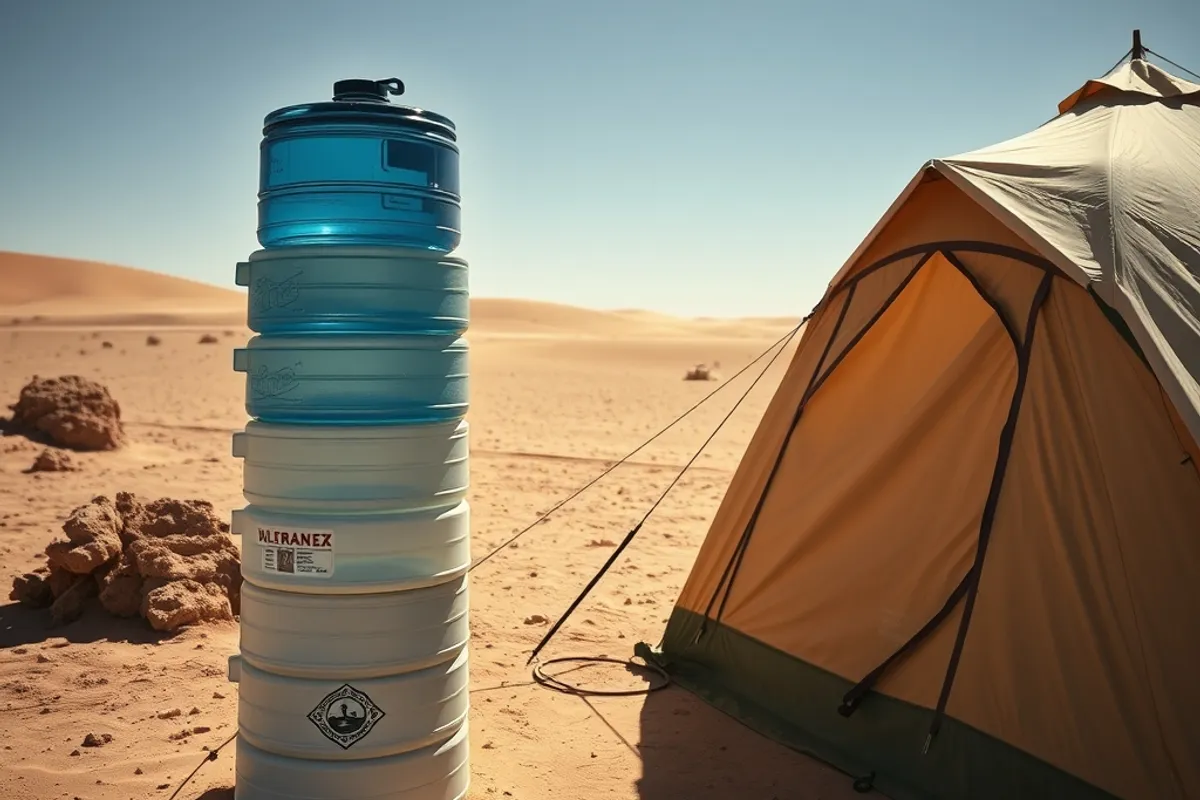
Water math for a desert night
Count drinking water, cooking water and a small washing reserve separately. A common planning figure is four to five litres per person per day in hot conditions, more if you are active or the air is dry. For a two-night camp with two people, that is at least 16 to 20 litres, plus extra for the vehicle and an emergency reserve.
Store water in sturdy containers, keep them out of direct sun and know which supply is for drinking. Do not rely on a single container or a single refill point. If you are carrying a filter, check that it handles the sediment in local water; filters clog fast in dusty areas. A small collapsible bucket saves water for washing.
Shade beats everything
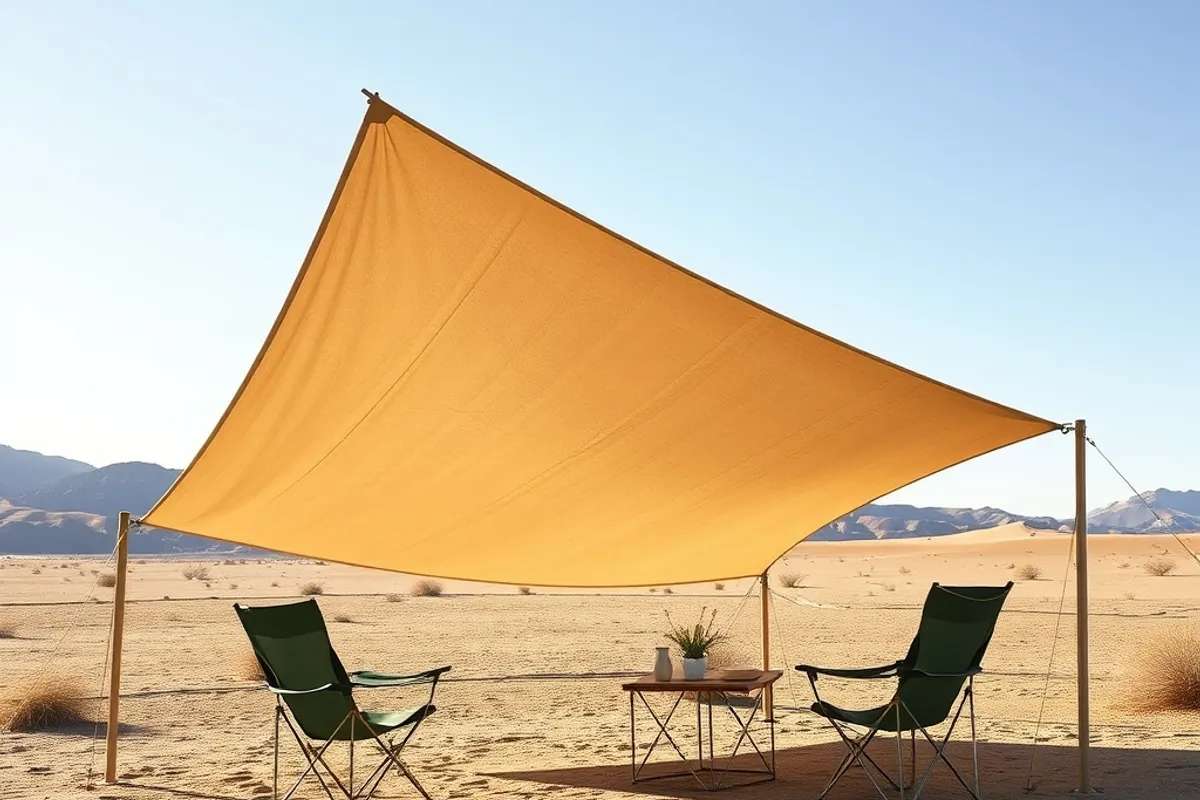
In still heat, shade is more effective than a fan. A tarp rigged for maximum airflow beats a closed tent during the day. Pitch so the afternoon sun hits the narrow side, and leave the tent vents open. A reflective tarp or a light-coloured roof keeps the interior cooler. Test the setup before you leave; a tarp that flaps all night is worse than no tarp.
Bring a wide-brim hat, sunglasses and loose long sleeves. A damp scarf around the neck helps in dry heat. Avoid the temptation to skip layers at sunset; the cold arrives quickly once the sun is down.
Sleeping through the cold
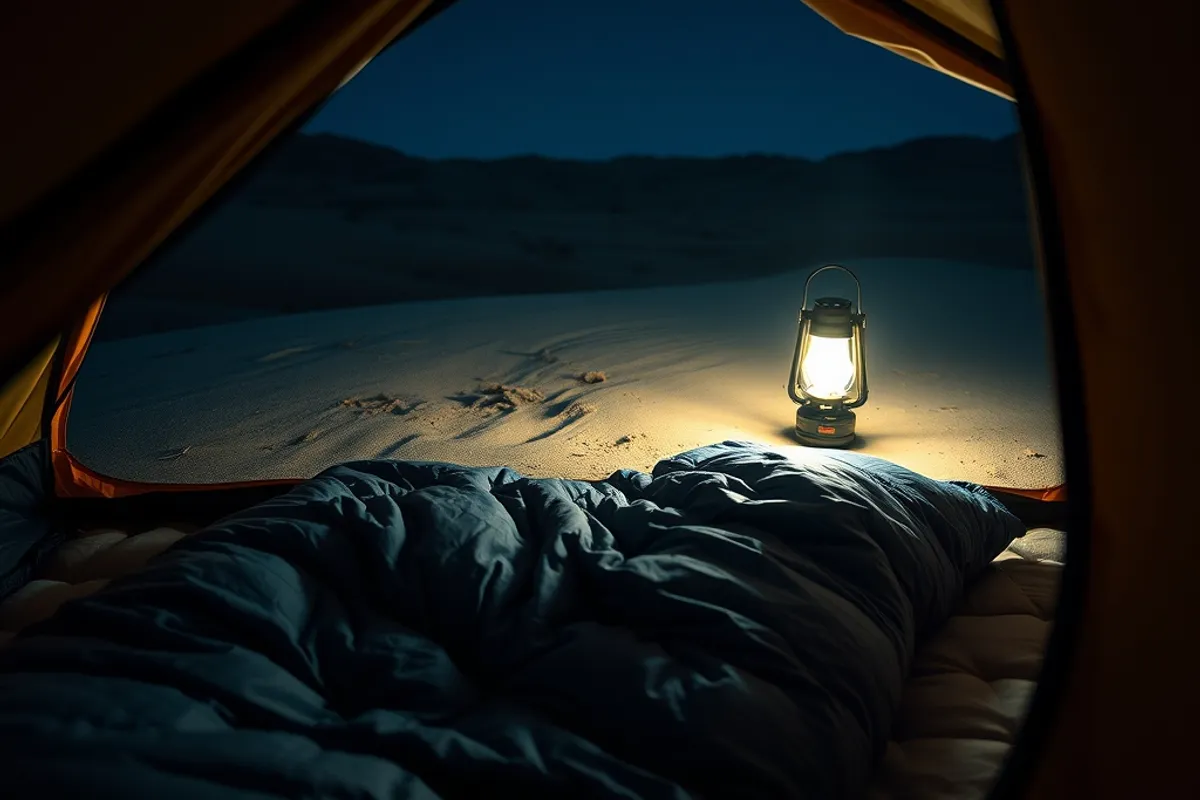
Desert nights can be surprisingly cold, even in summer. A sleeping pad insulates you from the ground, which matters more than a thick sleeping bag. Choose a bag rated for a few degrees below the expected low, and keep a warm layer inside the tent. A liner adds warmth and keeps the bag clean. If you sleep in the vehicle, crack a window for ventilation and use sunshades for privacy.
Watch for condensation and dust. A tent with good ventilation reduces both. Keep your sleeping bag in a dry bag during the day, and shake out boots before putting them on. Scorpions and snakes are rare but real; keep bags zipped and shake out gear.
Fire, food and leave-no-trace
Check fire restrictions before you light anything. Many deserts ban open fires in dry seasons, and a stove is faster and safer for cooking. If a fire is allowed, use an existing ring, keep it small and drown it completely before sleeping. Never leave a fire unattended in wind.
Pack food that survives heat: nuts, flatbread, canned fish, dried fruit and quick-cook grains. Avoid perishables unless you have a reliable cooler. Wash up away from camp with a small amount of water and pack out all rubbish, including food scraps. A desert takes years to break down what a careless camper leaves behind.
Navigation and camp routine
Mark your camp on GPS and note a bearing to the nearest road before dark. Set up before sunset, not after. Agree on a check-in time and a signal for emergencies if you split up. Keep a headlamp within reach and a charged power bank for the phone.
If you are driving in, read our <a href="dune-driving-basics-2026.html">dune driving basics</a> first. If you are paying for a guided camp, ask about water, shade and toilet arrangements before booking; those three details decide how comfortable the night feels. For a hotel-based desert trip, our <a href="boutique-resort-booking-guide-2026.html">boutique resort booking guide</a> covers the questions that matter.
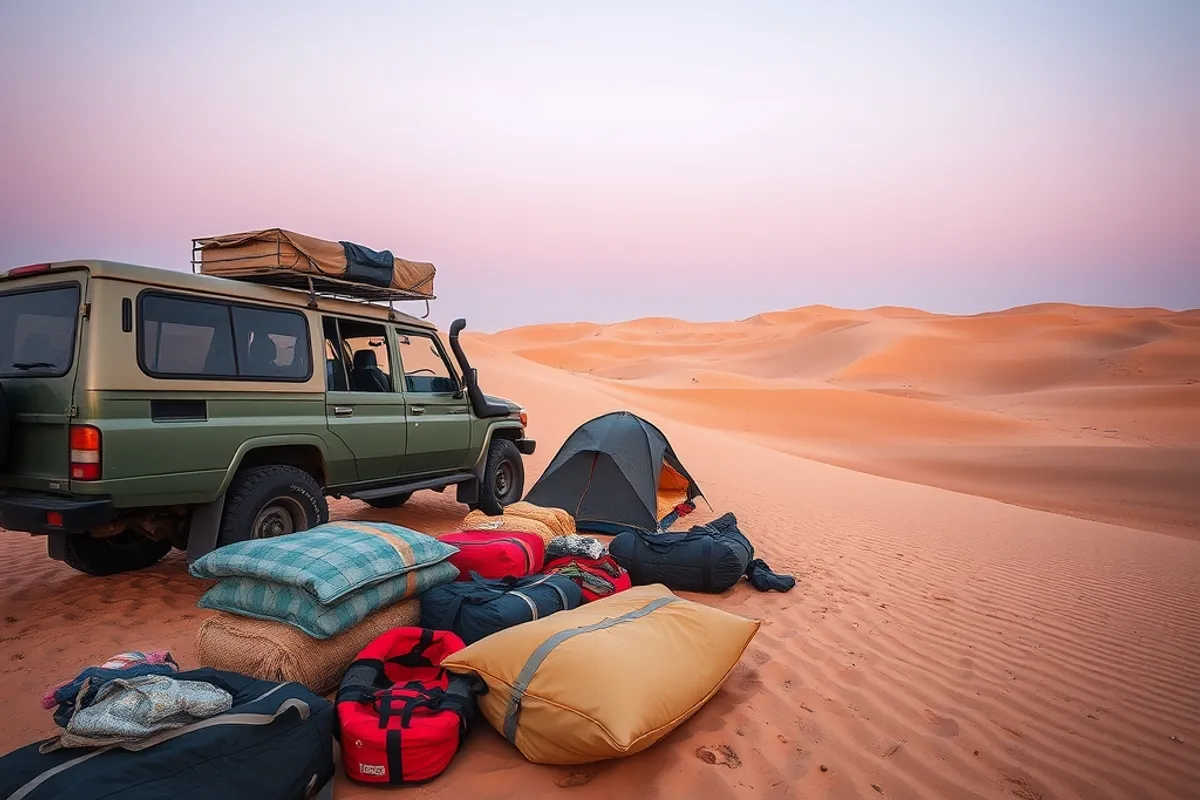
A short checklist
Water per person per day, plus reserve. Shade tarp and poles. Sleeping pad, bag and liner. Stove and fuel. Headlamp, power bank and offline maps. First aid kit and personal medication. Warm layer, hat and sunglasses. Rubbish bags. Cash for permits or camp fees. Tell someone your plan and expected return.
That list is not glamorous, and that is the point. The desert does not care about your camera. It cares whether you brought enough water and whether you can sleep when the temperature drops.