Travel Insurance
How to Claim Travel Insurance 2026: Docs and Tips
Pragmatic guide to travel insurance claims: receipts, reports, timelines and avoiding easy denials.

Most travel insurance claims are not rejected because the insurer is dishonest. They are rejected because the paperwork is incomplete, the claim falls outside a specific exclusion, or the traveler spent money before calling the emergency line. A calm, documented approach gets paid far more often than an angry email after the trip.
Call before you spend
If you have a medical issue, a canceled flight or a theft, contact the insurer's emergency number as soon as practical. Many policies require authorization before treatment or before booking alternative travel, except in a genuine emergency. Save the reference number and the name of the person you speak to.
If you cannot reach the insurer, keep trying and note the times. In a medical emergency, get treatment first and call afterward. Ask the hospital for an itemized bill, a diagnosis and a discharge summary. These documents are difficult to obtain later, especially after you leave the country.
Documents that decide a claim
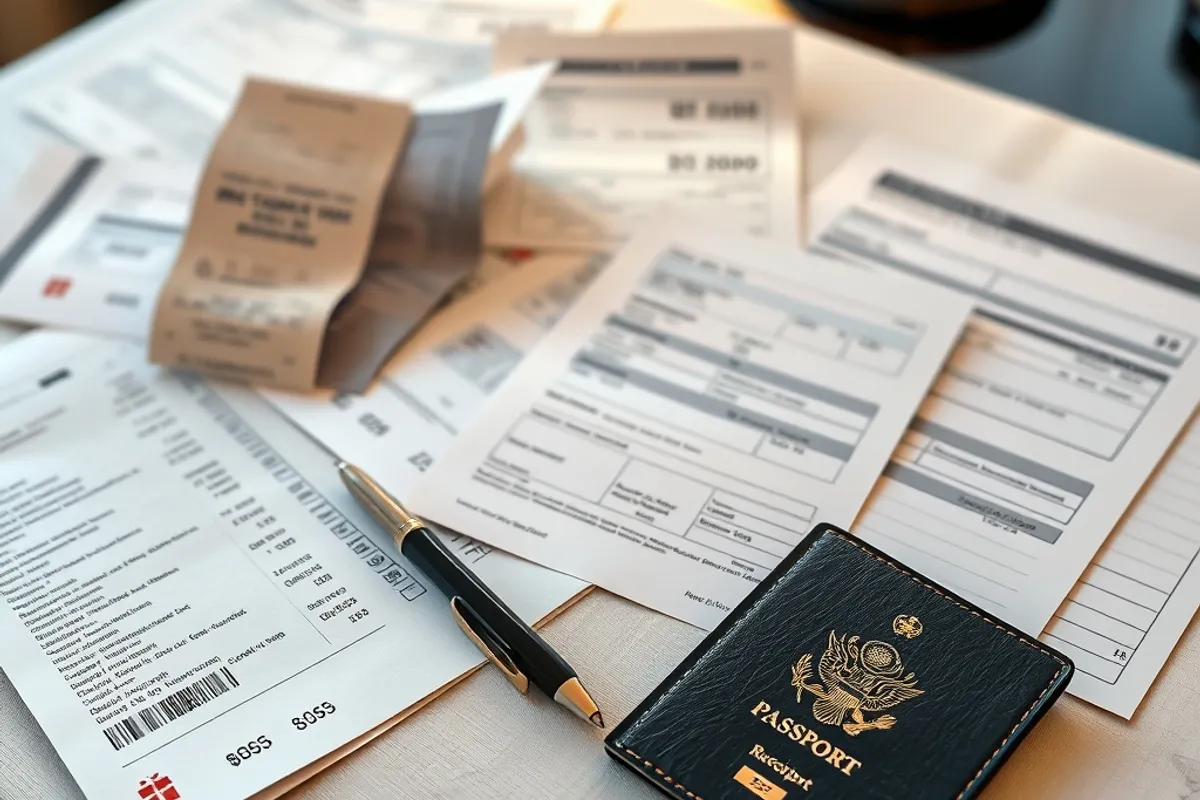
For medical claims: receipts, diagnosis, treatment dates and proof of payment. For cancellation: the booking invoice, the cancellation confirmation, the reason and supporting evidence such as a medical certificate. For baggage: a police report if required, photos of the damage, receipts or proof of ownership, and the airline's property irregularity report.
For delays: the airline's delay confirmation, your original booking and receipts for meals or accommodation. Keep everything, even small receipts. A missing receipt is the most common reason a legitimate claim is reduced. Photograph documents as you collect them in case paper is lost.

Write a clear timeline
Insurers process facts, not emotion. Write a short timeline with dates, times, locations and what happened. Attach the documents in the order they appear in the timeline. State the amount claimed and how you calculated it. If there are gaps, explain them rather than leaving the insurer to guess.
Be consistent. If your initial report said the bag was left unattended for ten minutes, do not later describe it as watched at all times. Inconsistency looks like fraud even when it is just a memory error. If you realize a detail was wrong, correct it in writing with an explanation.

If the claim is denied
Read the denial letter and identify the exact policy clause cited. Check whether the insurer misunderstood a fact or applied the wrong exclusion. Reply in writing with the specific documents that address the point. If the denial stands, ask about the internal review process and the local complaints body.
Keep copies of every message and note the dates. Escalate politely and factually. Many disputes are resolved at the review stage because the traveler supplies a document that was missing from the first submission. A clear paper trail also helps if you need to involve an ombudsman.
Avoid these mistakes
Do not wait months to claim; deadlines are strict. Do not accept a quick cash settlement from an airline without checking whether it affects your insurance claim. Do not discard damaged items before the insurer inspects them, unless instructed. Do not assume the insurer will contact the hospital or airline for you.
Finally, buy the right policy in the first place. Most claim problems start with a policy that never covered the activity or the condition. Our <a href="travel-insurance-basics-2026.html">travel insurance basics guide</a> explains what to check before you pay.